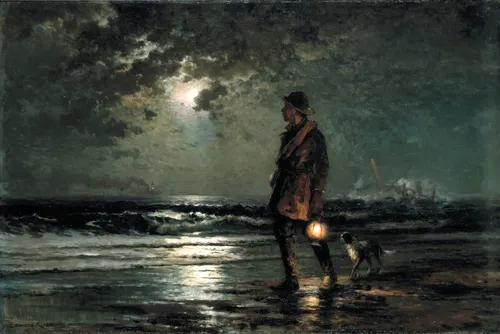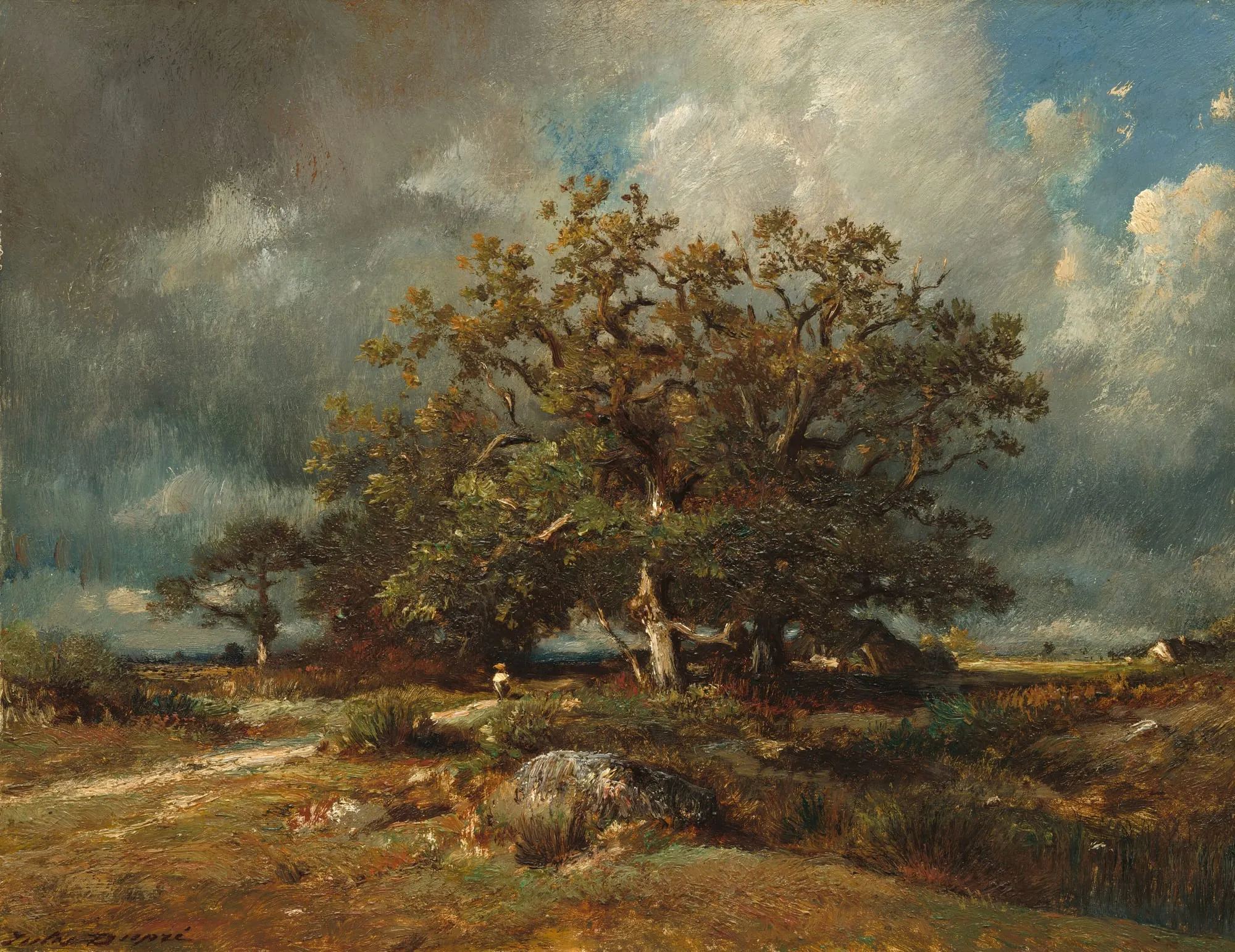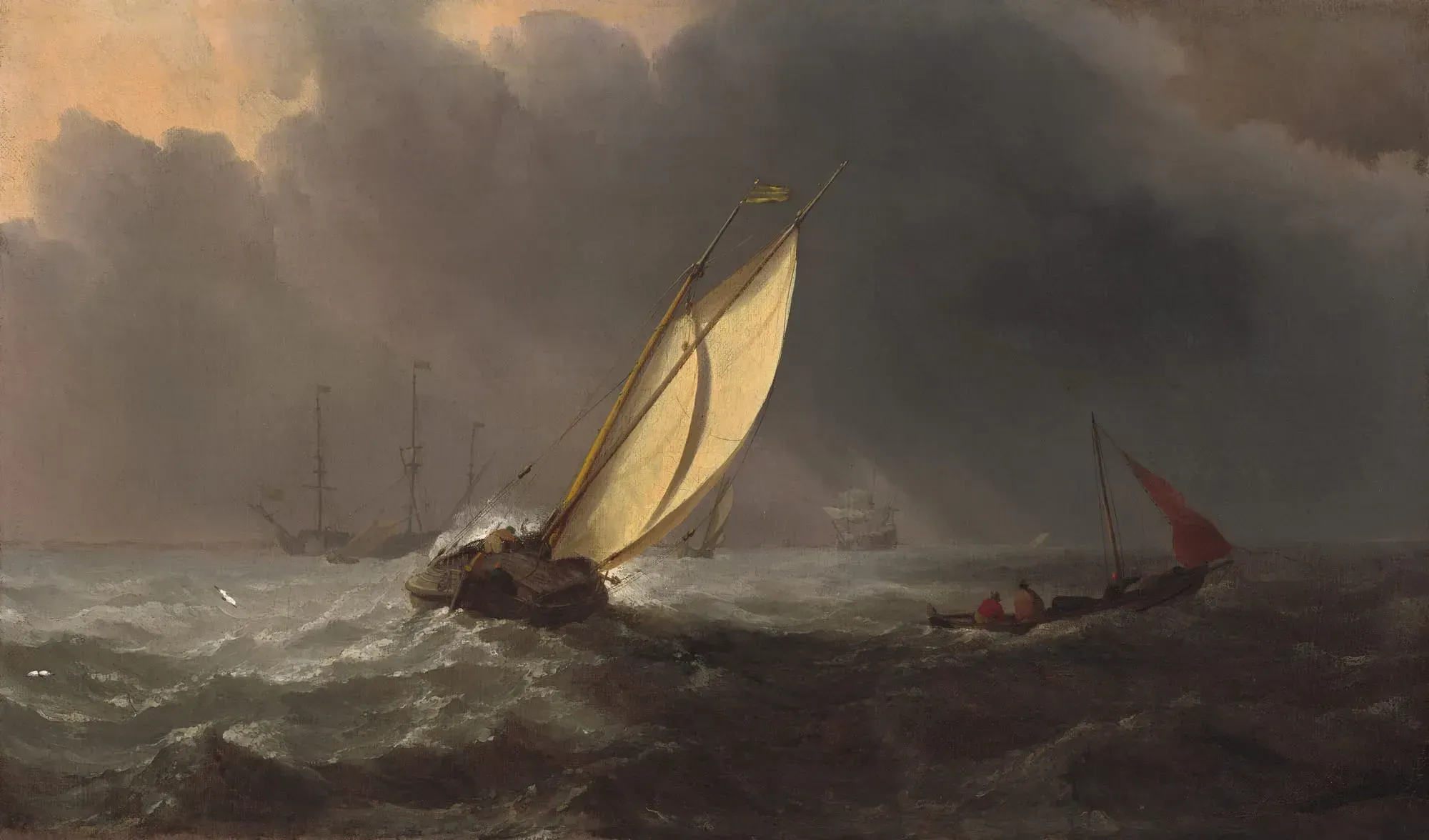
From the Editors: A ship has just weathered a storm in Willem van de Velde's painting above, After the Storm. But it's one thing to make it through a storm, and it's another to make repairs to be prepared for the next. What does it look like to make repairs to ourselves, our communities, and our country after the COVID-19 pandemic? That's a question to ask as we read Dr. Mary Talley Bowden's thoughts in this essay.
This essay was written in March 2026 and is published for the first time here.
It’s Spring Break in Texas—a routine pause, more a collective exhale than a true celebration. After months of early alarms, rushed mornings, school runs, sports juggles, and endless demands, most families arrive at this week on the brink of exhaustion. I welcome the break from the school-year grind, yet it’s forever shadowed by March 2020. That Spring Break became our generation’s Pearl Harbor: the moment the world tilted irreversibly.
Spring Break 2020 wasn’t a random accident. History is littered with biological and chemical tools wielded by tyrants—Stalin’s NKVD “Laboratory 12” perfected undetectable poisons for state enemies; ancient and modern China has long explored biological agents in conflict. The 2020 pandemic marked the first successful large-scale deployment on a global scale. The United States, through funding gain-of-function research at home and abroad, became an unwitting—or worse, complicit—partner. Then came the worldwide push to inject a supposed countermeasure into billions.
I call it World War III: bloodless and brilliant in its subtlety. No battlefields, just engineered division that fractured families, friendships, and faith in institutions. Unlike traditional wars, it ended without victory parades or treaties—quietly, as if it never happened. Most prefer to move on; denial is easier than reckoning. But trauma of this scale leaves wounds that don’t heal without acknowledgment.
In high school history class, past wars felt distant, almost fictional. Present life seemed too civilized for such horrors to return; humanity had progressed beyond them. A bright future lay ahead. That innocence shattered six years ago this week, on March 11, when the WHO declared COVID-19 a pandemic. I’m writing this from the six-year anniversary, fresh from a few days with friends in Cancun. My public stance during the pandemic follows me everywhere—recognition dawns slowly, then conversation ignites. We all have stories.
This trip brought an unexpected encounter: running into one of my oldest friends from home at the breakfast buffet. We hadn’t spoken in five years, ever since my views on the COVID shot drove a wedge between us. This chance encounter had added weight—the night before, I’d celebrated publicly on X when another childhood friend finally admitted I’d been right. But with this friend, there was no apology, no reference to the rift or my very visible journey. We chatted about kids and life, carefully avoiding the wound. Outward hostility had faded, but without acknowledgment or apology, the deep resentment I feel toward her will never fully heal.
I call it World War III: bloodless and brilliant in its subtlety. No battlefields, just engineered division that fractured families, friendships, and faith in institutions. Unlike traditional wars, it ended without victory parades or treaties—quietly, as if it never happened.
This is how so many of us live now: surface-level interactions that skirt the deep fractures. Trust has eroded—at the government level, in medicine, even among friends. I will never trust our institutions the same way again, and I won’t ever take another “vaccine.” In my practice, the most frequent patient question is “Who can I trust?” I keep a referral list of like-minded physicians, but I still can’t point to a single hospital I’d recommend without reservation.
The adage “Those who do not study history are condemned to repeat it” is overly simplistic. If studying history alone prevented repetition, we could truly stop it. But we don’t learn because while themes repeat, the details never do. The pandemic was our generation’s greatest public health crisis, touching every life on earth. Fear would normally drive us to circle the wagons, yet—assuming origins in a deliberate act from a communist regime rather than nature—it became a masterclass in division from within. No bullets, no bloodshed, yet public confidence in our own government lies in ruins.
Fear is a powerful motivator; how we respond to it reveals character. The fear has faded, but in its place are festering wounds that refuse to heal. COVID exposed government vulnerabilities, leadership cowardice, and corruption in modern medicine—while also challenging the very foundations of the Constitution through unprecedented overreach on freedoms of speech, assembly, religion, and due process. It was the ultimate litmus test.
I never set out to become one of the most visible physician voices of the pandemic era. A solo ENT in Houston who launched my practice six months before COVID hit, I built a "third party free" model—no insurance contracts, no hospital affiliations, no government ties. That independence became my shield when the system turned.
What followed is a cautionary tale every American physician should know: a hospital defying a court order allowing me to treat an ICU patient, privileges revoked over social media posts speaking out against mandates, and an ongoing battle with the Texas Medical Board now in state district court—where the Texas attorney general has refused to defend the board.
The price of independence has been steep—lawsuits, revoked privileges, relentless board battles—but physician independence is the last real bulwark against institutional tyranny. It empowered me to speak truth, honor my oath to patients, and resist when compliance was the easier path. I keep fighting to set precedents that protect free speech and conscience for doctors everywhere, making it safer and simpler for others to follow. If we don't defend this now, the next crisis will find even fewer voices willing to stand apart.
Fear is a powerful motivator; how we respond to it reveals character. The fear has faded, but in its place are festering wounds that refuse to heal. COVID exposed government vulnerabilities, leadership cowardice, and corruption in modern medicine
To help rebuild trust and support those seeking alternatives, several key organizations offer valuable resources. As a Senior Fellow with the Independent Medical Alliance (IMA), I contribute to their growing directory of independent physicians who prioritize patient-centered care free from institutional mandates—visit imahealth.org for their list and protocols. Americans for Health Freedom, which I founded, maintains an active tracker of state and federal politicians advocating to pull COVID shots from the market and restore medical freedom—see americansforhealthfreedom.org to learn more and take action. React19 provides critical aid through grants for the vaccine-injured, along with a comprehensive database of over 4,500 peer-reviewed studies documenting vaccine adverse events—explore react19.org for support and research. Finally, as a board member of the Vaccine Safety Research Foundation, I help advance their petition to end the vaccine liability carveout (the 1986 National Childhood Vaccine Injury Act protections that shield manufacturers), pushing for accountability—find details and sign on at their site. These groups represent a network of like-minded voices working to empower patients, physicians, and policymakers in the wake of what we've endured.
The pandemic left permanent scars—personal divisions, shattered trust, and a medical system exposed as fragile and corrupt. Healing these collective wounds requires more than time or denial; it demands facing the truth head-on and refusing to pretend it never happened. Yet amid the damage, something powerful emerged: a renewed appreciation for independence and unfiltered truth. By remembering what occurred, continuing to question authority, and actively supporting those who stand apart from the system—whether in medicine or beyond—we build the resilience to prevent the next undeclared war from blindsiding us. The scars endure, but so does our resolve.
Dr. Mary Talley Bowden has just released her new book, Dangerous Misinformation: The Virus, the Treatments, and the Lies. This unflinching narrative chronicles Dr. Bowden’s unwavering fight for healthcare transparency and patient autonomy. Through vivid personal anecdotes and the stories of courageous patients, Dr. Bowden exposes the challenges of defying institutional narratives, blending her scientific expertise with a deeply human story of resilience. We encourage readers of The Paradox Press to read Dr. Bowden's new book.
This is an interview from the Orthodoxy podcast in which Andy Schmitt talks to Dr. Mary Talley Bowden about the very topics written about in this essay. Please listen to and share this interview with someone who may be interested.